Dual Window Camera Housing Design and Applications
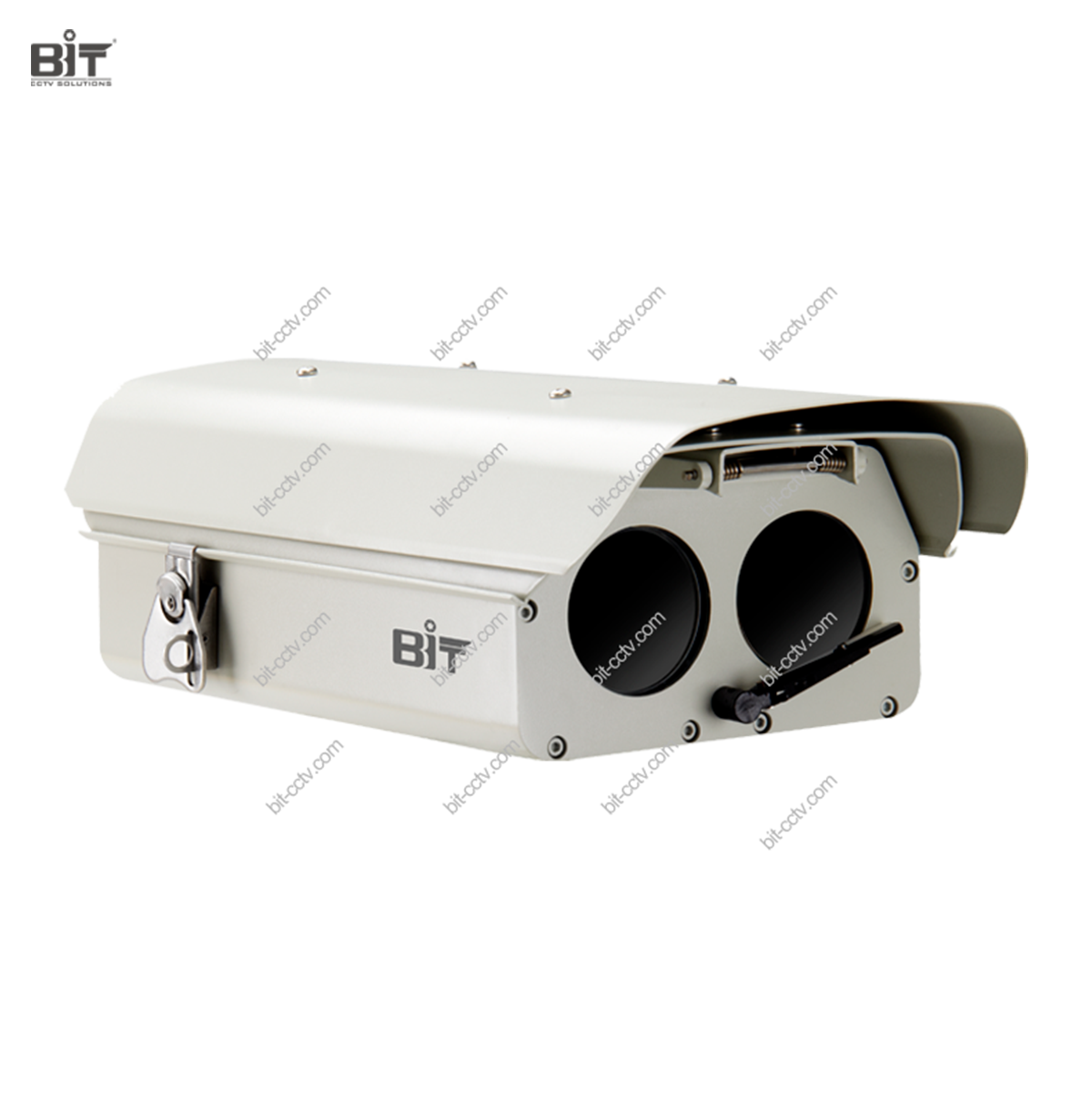
# Dual Window Camera Housing Design and Applications
## Introduction to Dual Window Camera Housing
Keyword: dual window camera housing
Dual window camera housing represents a significant advancement in optical device protection and functionality. This specialized enclosure features two distinct optical windows, allowing for simultaneous imaging or sensing through different spectral ranges or angles. The design offers unique advantages for various industrial, scientific, and commercial applications where conventional single-window housings fall short.
## Key Design Considerations
### Material Selection
The housing material must provide:
– Excellent structural integrity
– Corrosion resistance
– Thermal stability
– Minimal interference with optical signals
Common materials include marine-grade aluminum alloys, stainless steel, and specialized polymers for specific environments.
### Optical Window Specifications
Each window requires careful engineering:
– Precise optical clarity
– Appropriate spectral transmission characteristics
– Scratch-resistant coatings
– Anti-reflective treatments when necessary
### Environmental Protection
Effective sealing systems must:
– Withstand pressure differentials
– Prevent moisture ingress
– Resist chemical exposure
– Maintain performance across temperature extremes
## Technical Advantages
The dual window configuration enables several operational benefits:
– Simultaneous multispectral imaging
– Reduced parallax errors in stereo vision systems
– Independent focus control for different wavelength ranges
– Enhanced system redundancy
– Flexible mounting options for diverse sensor arrays
## Industrial Applications
### Underwater Imaging Systems
Marine research and offshore industries utilize dual window housings for:
– Stereo photogrammetry of underwater structures
– Combined visible and laser line scanning
– Simultaneous macro and wide-angle imaging
### Aerospace and Defense
Critical applications include:
– Multi-sensor surveillance platforms
– Combined thermal and visible spectrum reconnaissance
– Missile guidance system protection
### Scientific Instrumentation
Research facilities employ these housings for:
– Dual-channel spectroscopy
– Particle imaging velocimetry
– Microscopy with multiple illumination paths
## Emerging Applications
Recent technological developments have expanded usage into:
– Autonomous vehicle perception systems
– Industrial quality control with combined 2D/3D inspection
– Medical imaging devices requiring multiple modalities
– Agricultural monitoring with multispectral analysis
## Maintenance and Care
Proper handling ensures optimal performance:
– Regular inspection of window seals and gaskets
– Careful cleaning using approved methods
– Periodic calibration checks
– Storage in controlled environments when not in use
## Future Developments
Ongoing research focuses on:
– Smart windows with adjustable optical properties
– Integrated heating elements for defogging
– Self-cleaning surface technologies
– Miniaturization for compact device integration
The dual window camera housing continues to evolve as a critical component in advanced imaging systems, enabling new capabilities across numerous technical fields.